Winnipeg is no stranger to brutal wind events. Whether it's a fast-moving summer thunderstorm rolling across the Red River valley, a violent spring derecho, or a sustained prairie wind that just will not quit, fences across the city take a beating every year. If you're standing in your backyard in River Heights, Transcona, or St. Vital staring at a fence panel that's flat on the ground, you're not alone — and the steps you take in the next few hours matter more than you might think.
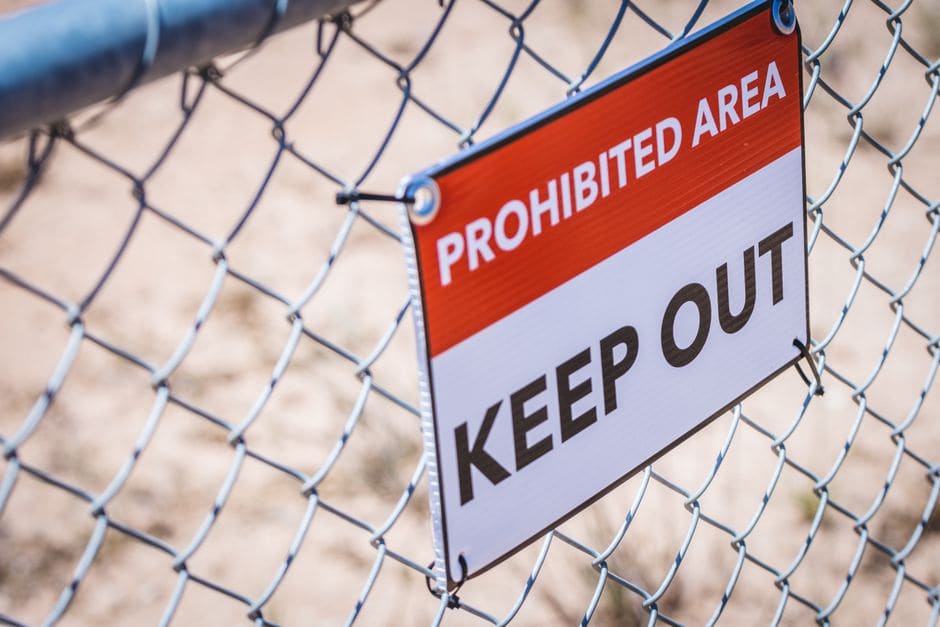
My Fence Fell Over After the Wind Storm — What Do I Do First?
Secure the area immediately, especially if you have children, pets, or a pool. A fallen fence no longer acts as a barrier, so your priority before anything else is safety. If the fence fell toward your neighbour's property, contact them right away — Manitoba's shared-fence rules mean both parties may have responsibilities, and keeping communication open prevents disputes down the road. Once safety is managed, document everything with photos before you touch or move any section. Those photos will be essential if you're filing a home insurance claim, which is often worth doing when wind damage is widespread.
Assess the Damage: Repair or Full Replacement?
Not every wind-toppled fence needs to be torn out completely. The key question is whether the posts failed or the panels did. In Winnipeg's clay-heavy soil, posts that were installed too shallow — above the frost line — are especially vulnerable. Manitoba's deep frost can heave posts upward over the years until they no longer have the grip needed to survive a strong gust. If the posts are rotted at ground level, leaning, or have simply pulled out of the earth, a panel repair alone won't solve the problem.
Here's a quick way to evaluate what you're dealing with:
- Posts snapped or rotted at ground level: Full post replacement required — this is a structural failure, not a surface problem.
- Posts still solid but panels detached: Re-securing or replacing panels may be sufficient.
- Posts leaning or heaved: The footings need to be redone, ideally below the 1.2 m (4-foot) frost line standard for Winnipeg.
- Multiple sections down across the whole fence line: Consider whether the original installation met local depth and footing standards — a full rebuild may be more cost-effective long term.
Insurance and Documentation: Don't Skip This Step
Wind damage to fences is typically covered under the "other structures" portion of a standard Manitoba homeowner's insurance policy, subject to your deductible. Before you hire anyone or start any cleanup, photograph every downed panel and broken post from multiple angles. Note the date and time, and if there's a city-issued wind warning in effect that day, save that record too — Environment and Climate Change Canada issues alerts for the Winnipeg area that insurers recognize as evidence of an insured wind event. Contact your insurer before committing to repairs so you don't accidentally void coverage by starting work too early.
Can I Reinstall My Fence Right Now, or Should I Wait?
This is where Winnipeg's climate creates a real constraint that homeowners in milder cities never have to think about. Once the ground freezes — which typically happens in Winnipeg between late October and mid-November — post installation becomes extremely difficult and in many cases impossible without specialized equipment. Concrete won't cure properly in frozen ground, and breaking through frost to set posts by hand is brutal work that leads to poor results.
If your fence came down in late fall and the ground is already freezing, your realistic options are:
- Temporary stabilization now, permanent repair in spring: Use temporary fence panels or rebar and wire to re-establish a barrier through winter, then schedule a proper reinstall once the ground thaws — typically April through May in most Winnipeg neighbourhoods.
- Emergency winter installation: Some contractors in Winnipeg have the equipment to work in frozen ground, but expect a significant cost premium and limited availability.
- Full replacement next season: If the fence was aging anyway, a wind event is often the right trigger to plan a full rebuild in spring, when conditions are ideal and contractors have better scheduling flexibility.
For a durable, properly installed replacement, explore our wood privacy fencing services in Winnipeg — built to handle Manitoba's freeze-thaw cycle and prairie wind loads.
What Depth Should Fence Posts Be in Winnipeg?
For a standard 6-foot privacy fence in Winnipeg, posts should be set a minimum of 3.5 to 4 feet deep — well below the average frost penetration depth for this region. The general rule of thumb is one-third of the total post length in the ground. Using concrete footings and setting posts below the frost line is what separates a fence that survives a Manitoba winter from one that heaves and leans year after year until the next big wind knocks it flat.
Before replacing or rebuilding your fence, check whether your project requires a permit or must meet specific setback and height requirements. The City of Winnipeg — Residential Fences Guide (height, setback & permit rules) outlines the current rules for residential properties, including front yard height limits and property line setbacks. Requirements vary by zone, so confirm the rules that apply to your specific address before starting work.
Typical Costs for Wind Damage Fence Repair in Winnipeg
Costs vary based on fence material, the number of posts affected, and whether you need a temporary solution to get through winter or a full reinstall. The table below gives a general picture of what Winnipeg homeowners typically encounter.
| Repair Type | Estimated Cost Range | Notes |
|---|---|---|
| Single panel re-attachment | $100 – $250 | Posts still intact and solid |
| Post replacement (per post) | $150 – $400 | Includes new footing; higher in frozen ground |
| Partial fence section rebuild (10–20 ft) | $800 – $2,000 | Wood privacy style; labour and materials |
| Full fence replacement (100 ft) | $4,500 – $10,000+ | Varies by material, grade, and site conditions |
| Temporary winter barrier (per section) | $200 – $600 | Stop-gap until spring installation |
Get Your Wind-Damaged Fence Assessed by a Local Pro
Whether you need an emergency repair or want to plan a full replacement for spring, our Winnipeg fence team can assess the damage and give you a straight answer on your best options.
Get My Free QuoteFrequently Asked Questions
Does home insurance cover a fence that blew over in a wind storm in Manitoba?
Yes, wind damage to fences is generally covered under the "other structures" section of a standard Manitoba homeowner's insurance policy, though your deductible applies. Document the damage with photos before doing any cleanup, and contact your insurer before authorizing repairs to avoid accidentally voiding your claim.
Is my neighbour responsible for any of the repair cost if the fence is on the property line?
In Manitoba, a fence that sits directly on a shared property line is generally considered a shared structure, meaning both neighbours may share responsibility for repair or replacement costs. It's worth reviewing your property survey and speaking with your neighbour before hiring a contractor, since splitting costs amicably is far simpler than a legal dispute.
How long does it take for Winnipeg's ground to thaw enough to set fence posts in spring?
In most Winnipeg neighbourhoods, the ground is workable enough to set fence posts by late April to mid-May, though this varies depending on how severe the preceding winter was and how much snow cover protected the soil. North-facing yards and low-lying areas in places like Transcona or West St. Paul can stay frozen a few weeks longer than south-facing properties in the city core.
Can I temporarily prop my fence back up myself while I wait for a contractor?
Yes — using 2x4 braces staked into the ground at an angle is a common and effective way to hold fence sections upright temporarily, as long as the posts themselves are not completely pulled free or snapped. This works best as a short-term measure; do not rely on a propped fence as a safety barrier for children or pets, since it has no real structural integrity against another wind event.
Will a vinyl fence hold up better than wood in Winnipeg wind storms?
Vinyl fence panels can actually catch more wind than wood because they have no gaps, making the fence act like a sail in a strong gust — the stress goes straight to the posts and footings. A properly installed vinyl fence with deep, concrete-set posts can be very durable, but the installation quality matters more than the material. Wood privacy fences with spaced pickets allow some wind to pass through, which can reduce load on the posts during extreme gusts.