Winnipeg is one of the coldest cities in Canada, and that extreme climate is the single biggest factor you should weigh when choosing between a vinyl fence and a wood fence. Our winters regularly push past -30°C, freeze-thaw cycles hit hard in March and April, and summer UV is intense enough to bleach and warp unprotected materials. The fence you pick in River Heights or St. Vital needs to survive conditions that would be considered unusual anywhere else in North America — and the wrong choice can mean cracked panels, heaving posts, or a full replacement within a decade.
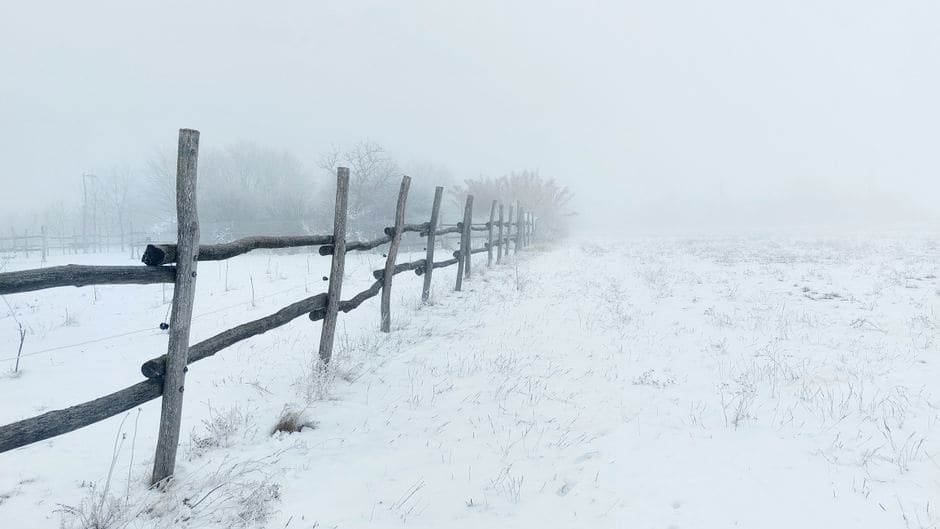
How Does Each Material Actually Hold Up to Winnipeg Winters?
Vinyl (PVC) fencing expands and contracts with temperature swings, and in a Winnipeg winter that swing can be 70°C or more between a July afternoon and a February night. Modern cold-climate vinyl formulas use impact modifiers that reduce brittleness at extreme lows, but lower-grade vinyl can crack if struck in deep cold. Pressure-treated wood, by contrast, absorbs moisture throughout the year. When that trapped moisture freezes, it can cause boards to split, warp, or cup over time. Properly dried and sealed wood handles freeze-thaw cycles better, but it demands consistent annual maintenance to stay that way.
Frost Heave: The Winnipeg Problem That Changes Everything
Manitoba's clay-heavy soil is notorious for frost heave — the ground swells as it freezes and can push fence posts several inches out of alignment over a single winter. This is true for both wood and vinyl posts, so the material of the fence itself matters less than the installation method. Posts must be set below the frost line, which in Winnipeg means a minimum depth of around 4 to 5 feet, and should be secured in concrete footings that extend past that depth. A fence installed to that standard — whether wood or vinyl — will dramatically outlast one with shallower posts, regardless of what the panels are made of.
Before installing any fence in Winnipeg, review the City of Winnipeg — Residential Fences Guide (height, setback & permit rules). Height limits and setback requirements vary depending on whether the fence is in your front yard, side yard, or rear yard, and permit requirements can apply in certain situations. Always verify current rules with the City of Winnipeg before breaking ground.
Maintenance Reality: What You Are Actually Signing Up For
The maintenance gap between vinyl and wood is significant, and in Winnipeg's climate it shows up faster than it would in a milder city.
Vinyl Fence Maintenance
- Annual wash with soap and water to remove road salt residue and algae
- Inspect for panel cracks after particularly cold snaps, especially if sections were struck during winter
- Check post alignment each spring after the ground thaws — frost heave can tilt posts even in well-installed fences
- No painting, staining, or sealing required — ever
Wood Fence Maintenance
- Re-stain or re-seal every 2 to 3 years to protect against moisture absorption
- Inspect for rot at the base of posts and boards closest to the ground — this accelerates in wetter springs
- Replace split or warped boards as needed, particularly after harsh winters
- Re-nail or re-screw any loose fasteners each spring before the wood swells with moisture
For homeowners in established neighbourhoods like Transcona or Fort Garry who want a wood privacy fence for its natural look and insulating character, the maintenance commitment is real but manageable with a consistent routine. For rental properties or busy households, vinyl's low upkeep is often the deciding factor.
Vinyl Fence vs Wood Fence Cost Comparison in Winnipeg
Costs vary by supplier, profile style, and installation complexity, but the table below reflects realistic price ranges for typical residential installations in Winnipeg as of 2026. These figures include materials and professional installation per linear foot of fence.
| Factor | Vinyl Fence | Wood Fence (Pressure-Treated) |
|---|---|---|
| Installed cost per linear foot | $40 – $70 | $25 – $50 |
| Upfront material cost | Higher | Lower |
| Ongoing annual maintenance cost | Very low ($0 – $30) | Moderate ($50 – $200+) |
| Expected lifespan in Winnipeg climate | 20 – 35 years | 12 – 20 years (with maintenance) |
| Colour/style options | Limited (mainly white, tan, grey) | Broad — stain any colour |
| Repair ease | Panel replacement needed | Individual boards replaceable |
Which Fence Is Better for Winnipeg's Climate?
For pure cold-climate durability with minimal ongoing work, quality vinyl fencing wins. It will not rot, will not need re-sealing before a Manitoba winter, and holds its colour without fading as quickly as untreated wood. That said, wood fencing remains a strong choice in Winnipeg when aesthetics or budget are priorities — the key is using a reputable local installer who sets posts deep enough to handle frost heave, applies a proper concrete footing, and uses kiln-dried or pressure-treated lumber rated for ground contact. The fence material matters, but the installation quality matters just as much in this climate.
Ready to Install a Fence That Handles a Winnipeg Winter?
Get a free, no-obligation quote from a local fence installer who knows Manitoba's climate and building requirements inside and out.
Get My Free QuoteFrequently Asked Questions
Can vinyl fencing crack in Winnipeg's extreme cold?
Lower-grade vinyl can become brittle and crack at temperatures below -30°C, especially if the panels are struck by snow removal equipment or debris. Specify cold-climate or impact-modified PVC when purchasing — most reputable Winnipeg suppliers stock it — and the risk drops significantly, though it does not disappear entirely.
How deep do fence posts need to be set in Winnipeg?
In Winnipeg, fence posts should be set a minimum of 4 to 5 feet deep to get below the frost line and prevent heaving. Concrete footings extending past that depth are strongly recommended, particularly in the clay-heavy soils common in areas like North Kildonan and the older inner-city neighbourhoods.
Does a wood fence add more value to a home than a vinyl fence in Manitoba?
Both materials can add curb appeal and perceived value, but wood privacy fencing tends to resonate more with buyers in character neighbourhoods who value natural materials and traditional aesthetics. Vinyl is often preferred in newer suburban developments in areas like Sage Creek or Bridgwater, where its clean, low-maintenance look fits the architectural style and appeals to buyers who do not want ongoing upkeep.